With the arrival of September, the summer slowdown in industry and logistics officially ends and the final-quarter marathon, the toughest stretch of the year, begins. Rising order volumes, narrowing delivery windows and year-end profitability targets start to test every operational limit of companies. Hitting targets in this busy period is not possible just by "working more overtime"; it is possible by managing every process, from production to the warehouse and from the warehouse to the distribution network, with real-time data. Manual tracking methods, end-of-day Excel reports and experience-based hunches unfortunately lead to lost time and budget at the high pace of the final quarter. So which three critical points of the operation need to be digitalized to take full control of the floor and protect profitability during the peak season?

1. Catching Invisible Losses on the Production Line
Micro-stops on production lines cause serious deviations from year-end targets. Reports taken on paper or in spreadsheets at the end of a shift show that the mistake has already been made and the time already lost.
The way to improve this process is to use production tracking systems (MES/PTS) that collect real-time data from the floor. When Overall Equipment Effectiveness (OEE) is measured instantly with real-time machine data, hidden stops that even operators do not notice are detected. This reveals the factory's hidden capacity and allows immediate intervention when production falls below the target speed.

2. Ending the "In the System, Not on the Shelf" Crisis in the Warehouse
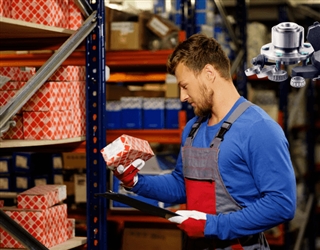
The most common problem at the rising order pace of the final quarter is stock that appears in the system but cannot be found on the shelf, or shipments of the wrong products. This confusion turns directly into customer returns and rising logistics costs. To work with zero errors, in-warehouse operations must talk to the central ERP (Enterprise Resource Planning) system second by second. Advanced Warehouse Management Systems (WMS) instantly verify every movement in the warehouse through barcode scanners and handheld terminals. By picking the right product, on the right route, at the right time, stock accuracy is locked at 100%.

3. Cutting Distribution Costs with Smart Routes
The operational success of a product whose production and packaging are completed flawlessly is crowned by an on-time delivery to the right address. Especially at a time when fuel costs are so decisive, the order and route of distribution vehicles cannot be left to the driver's initiative. Software that provides dynamic route optimization analyzes delivery addresses, vehicle capacities, traffic conditions and customer receiving hours on a single screen. Thanks to advanced algorithms, the shortest and lowest-cost routes are created in seconds. This both reduces fuel consumption and maximizes customer satisfaction during the busiest time of the year.
Drop the Dead Weight to Speed Up in the Marathon
The final quarter of the year is a crisis for businesses caught unprepared and a period of record growth for companies that have digitalized their processes. Managing the entire operation chain, from the floor to the road, with real-time data and smart systems removes the confusion and gives you operational excellence. Now is the time to start the new period not with the slowness of old habits but with the clarity and speed that digitalization offers.




)
)
)