

)
September 2026
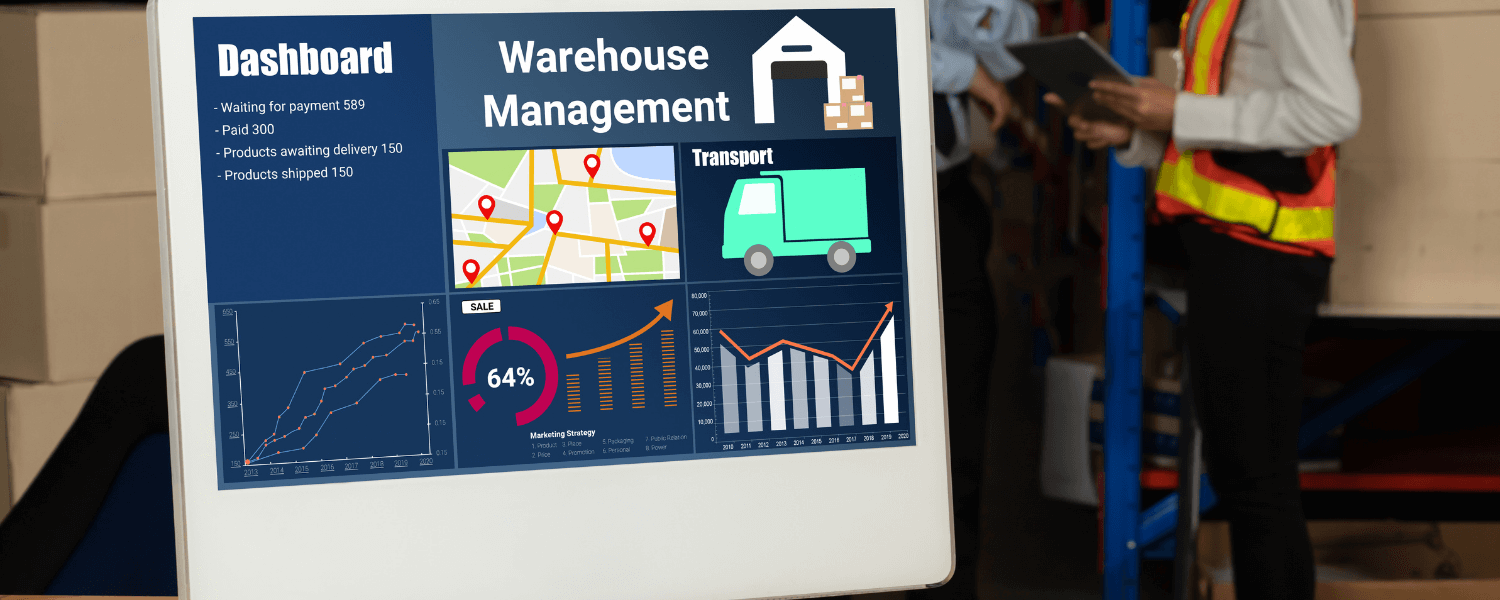

Before implementing WMS software, your current warehouse processes should be analyzed in detail.
Data such as which product groups move how often, the stock accuracy rate and order picking times should be collected.
This analysis ensures that the system is configured correctly and optimized for real needs.
Every business has different operational needs. That is why, when choosing warehouse management system software, you should prefer a scalable, modular solution that is open to integration.
A WMS that can work integrated with ERP, e-commerce or production planning systems simplifies data flow and reduces the risk of errors.
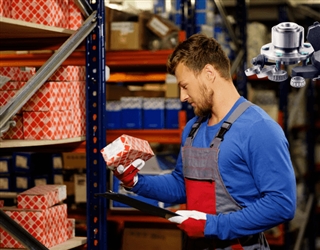
One of the most important elements of a successful WMS implementation is employee involvement.
Warehouse staff need to get used to using the system and adapt to new workflows.
That is why providing training during implementation and taking employee feedback into account is very important.
If the WMS is not integrated correctly with other systems (for example ERP, accounting and e-commerce platforms), data inconsistencies may occur.
That is why integration tests should be carried out in a test environment before going live.
When all modules of the system work in sync, real-time data tracking becomes possible.
Running a pilot in a small area before rolling the system out to the entire warehouse lets you see errors and areas for improvement.
By optimizing the system settings with the data gathered during the pilot, a more robust structure can be built.
After go-live, system performance should be measured regularly.
Indicators such as order picking time, stock accuracy rate and transaction speed should be analyzed.
This data supports the continuous improvement of the system and keeps efficiency sustainable.
A successful WMS implementation is not just a software installation; it is a planned transformation process.
Well-analyzed data, the right software choice, employee involvement and successful integration bring the business significant efficiency gains in the long run.
Remember: Sustainable success in warehouse management lies in the harmony between technology and the human factor.

)
)
Fill out the form below and choose the demo for the product you require.